First of all, let’s get the most important thing clear regarding Great Ocean Road winter weather: winter is definitely an experience worth having, but only if you take it seriously and treat it like a proper trip to the southern coast (rather than just a drive on a sunny postcard). For those planning a trip, check out the Great Ocean Road winter weather guide essentials. In the period of time from June to August, you can expect cold mornings and rain, very strong winds from the southern ocean, short daylight hours, but some of the most amazing low-crowd sightseeing in Victoria as well.
My name is Tristan Bell, and I can tell you that if you have worked around travelers or people, you learn very quickly that bad weather does not ruin a trip as often as bad plans do. Thus, a winter trip from Melbourne through Torquay, Apollo Bay and Twelve Apostles can be absolutely magical – the whales in the ocean, waterfalls are in full flow, and there are not so many people on the road. But the road requires you to respect it.
If you would like me to tell you the short answer: dress in thermal layers, take your rainproof jacket as well as waterproof hiking boots with you, consider more time for driving than the map shows, check the road conditions and the road closures before leaving, and plan your scenic stops considering limited winter day light – that’s the way to have an amazing time on the road and not to sit in a fogged-up car with wet socks.
What it Feels Like
You should understand that winter on the coast is not really about horrible cold, but more about exposure. The temperature may not seem scary on paper, but wind and sea spray can make the stop very uncomfortable if you do not dress properly.
On the upside, Great Ocean Road winter weather often means cleaner air, moodier sea views and less crowd. Of course, you won’t be able to swim, but you will get the feeling of space, and the experience will be more pleasant.
Basic Climate and Temperature
During winter, daytime temperatures in the region usually stay around 10-14 degrees Celsius, while the morning temperatures may drop into the single digits. Keep in mind that wind chill is very important here.
Rain can be seen as quick stops or stay for longer periods of time. The locals have different weather conditions. For instance, Torquay can feel cool, while Apollo Bay can suffer from long-lasting showers.
What Seasons Are Good At
During winter, from June to August, this time is for all those who love walks, taking photos, crazy sea waves, comfort food, and slower pace of life. это самое время, когда you can see amazing waterfalls, plus whales from May to October is a cherry on the cake – there is no way you can see whales in summer.
What can people expect? They think it’s going to be rainy all the time. But the fact is that winter has sunny mornings, rainy afternoon, and clear evening.
Pick Your Agenda Wisely
You should know winter does not function the same way every time, plus not all people need to travel the same way. But if you are one of those who does not mind layering up, and you are traveling midweek, you got lucky.
One should never underestimate travel time, because people forget about all curves and stops along the way. The distance from Torquay to Twelve Apostles may feel much longer than what it actually is in summer.
Most Appropriate Time For Travelers
Most often in June people get proper winter atmosphere without the deep fatigue. July could arguably be the month with the coldest sensation due to the biting winds, while the month of August may give you some beautiful clear days in between weather systems. If you would like to try some whale watching trips along the Great Ocean Road in winter, you want to keep some time late in the winter open as it can be particularly rewarding, but of course sightings and views may differ depending on the wildlife not caring about what sort of a time plan you have.
If your time is limited to a single day, you would want to focus on doing a great job with just one segment of the Great Ocean Road route, instead of an awful attempt to do everything from Melbourne and back in one go, as if you are driving for a racing television commercial. The best one segment to tackle in this extreme case would usually be from Torquay to Apollo Bay for a more leisurely day, or from Apollo Bay to the Twelve Apostles for headline scenery.
How Many Days Do You Actually Need
While one day is an option, it is still a long one and is not recommended for drivers who are not ready to start really early and not waste time. Two days is the practical minimum for a real Great Ocean Road itinerary. Three days would be the best option during which one is guaranteed to get the walks, outposts, foods, and the chance for a weather contingency, of course.
| Trip Length | Who It Suits | Realistic Scope | Main Catch |
| 1 day | Confident drivers from Melbourne | Selected highlights only | A very long day, little flexibility |
| 2 days | Most first time winter visitors | Torquay, Apollo Bay, Twelve Apostles, a walk or a waterfall | Accommodation must be booked ahead of time |
| 3 days | Travellers whose main interest is not the distance travelled | Visits to many scenic stops, whale watching, falls and regional cuisines | Higher accommodation and dining spend |
As a practical benchmark, Melbourne to Apollo Bay without any tourism can take approximately 2.5 – 3 hours by car. Once one considers winter conditions, viewpoints stops, and having lunch your time spent can add up quickly. While the distance from Apollo Bay to the Twelve Apostles is not that long, it may take much longer than people expect.
Pack For Exposure, Not Vanity
Packing for winter for this route is not a complex business but again people still manage to do it wrong every single time. They bring a stylish coat that can’t get wet, sneakers that soak, and one jumper too few.
What to pack Great Ocean Road winter travel really depends on staying warm and dry, and visible during changing weather conditions, after all.
Things To Wear And Use
- Thermal layers, a fleece or wool mid-layer, rainproof jacket
- Long trousers, warm socks and a beanie.
- Waterproof hiking boots or stable shoes with a grip
- Phone charger, power bank and maps
- Small torch, an umbrella, a water bottle and a first-aid kit.
- A dry bag or a separate plastic bag for the wet jackets and muddy gear.
Of course a rainproof jacket is much more important than that thick coat you have. You can always add warmth below but once it starts to rain under the wind pressure there is no chance to get back your morale. Special waterproof hiking boots are also nice to have when you visit the falls, take a less-than-sealed route or make some long walks.
What Families And Elderly Travellers Should Include
In case you travel with children, pack one more layer than you think they need and a full spare outfit per child. In case of elderly travellers or those having some issues with being mobile, poles and shoes with good tread can make any slick walk significantly safer.
Drive Like The Weather Matters
Traveling the Great Ocean Road during winter is quite manageable for most drivers, but the road can reward overconfidence. Wet roads, curves, oncoming vehicles, changing visibility, and sudden winds should be taken seriously.
Tristan Bell has seen plenty of people treat scenic roads as if they’re on tracks. During winter, this is how one gets to the accommodation late, causes numerous fights about the idea.
Direction, Roads And Real-World Timing
For many people, starting from Melbourne towards Torquay and then going west is the best option. This means that the ocean will mainly be on the left side for many stopovers and it follows the traditional route. However, if you want to visit only major attractions, some travelers go west first through the inland roads and then head east along the coast; this requires proper planning.
Road conditions and closures change quickly after heavy rain, wind, or repair work. You should check the VicRoads traffic and road conditions in Victoria. This website is very practical to keep track of accidents and interruptions on the way.
Towing, Parking And Common Mistakes
In case you are towing something, including a caravan, trailer, or a small boat, plan even more time and do not cram every scenic point. Some lookout car parks are quite narrow, wet edges may be soft, and reversing is not what anyone wants on their trip. If you’re not experienced in towing anything due to wind, it is not the right time to learn.
Parking is much easier in winter, given that it is not so crowded, but some destinations are still crowded. If you want to take beautiful pictures in the Twelve Apostles area and to find a vacant parking space, come earlier.
People make a mistake when they think that heavy rain is the only danger. There are also gusts on bridges and silent sections and tiredness from constant concentration.
Make The Most Of The Season
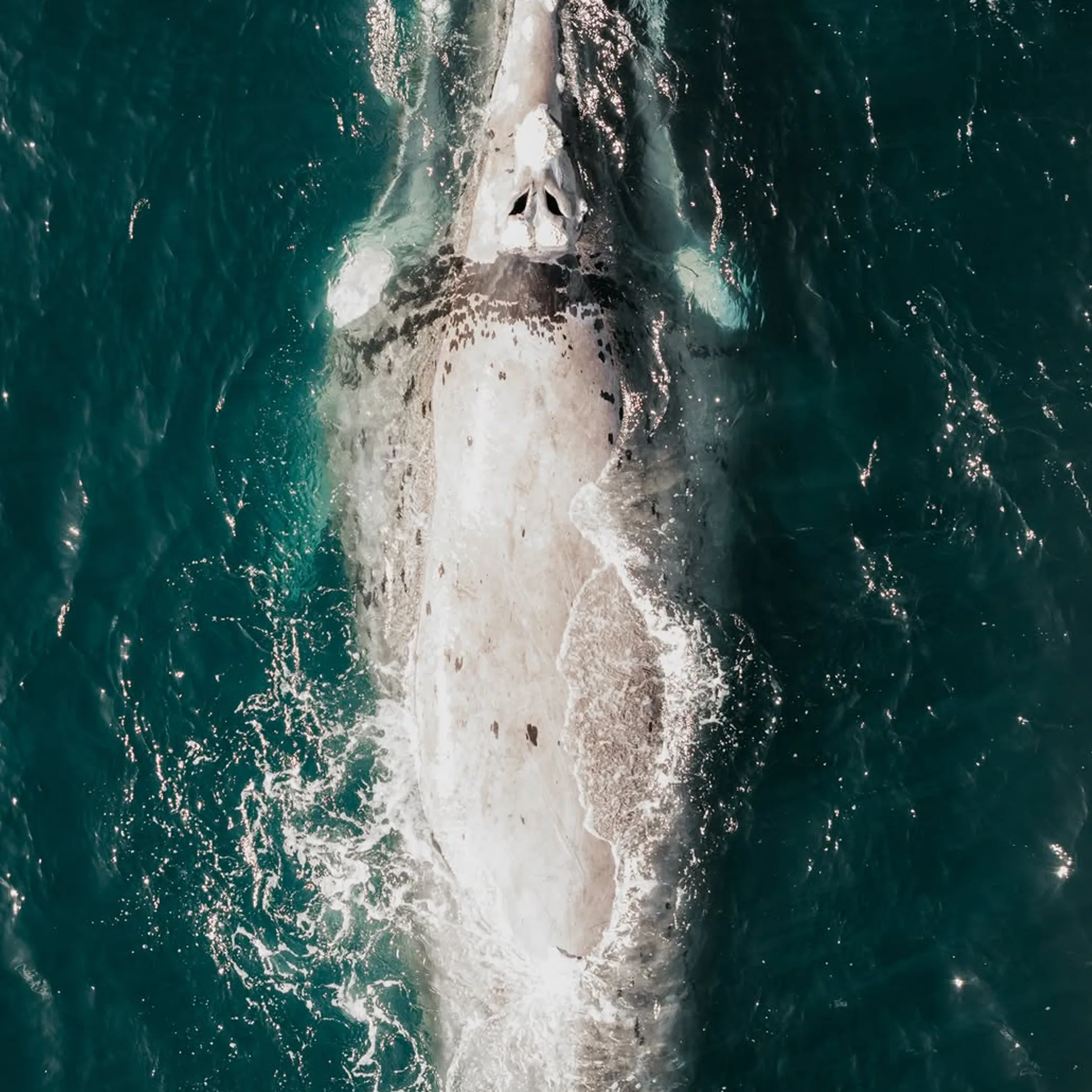
Winter is the right time for you to stop hunting for summer activities and to do what the coast can offer you. Whales, waterfalls, dramatic sea views, and hot food are what the road is about this time of the year.
Now, Great Ocean Road winter advice will not necessarily be related to dealing with the weather, but rather to using it wisely. You will not need to fill every hour, and you will only need to make the right choices.
Whales, Waterfalls And Walks
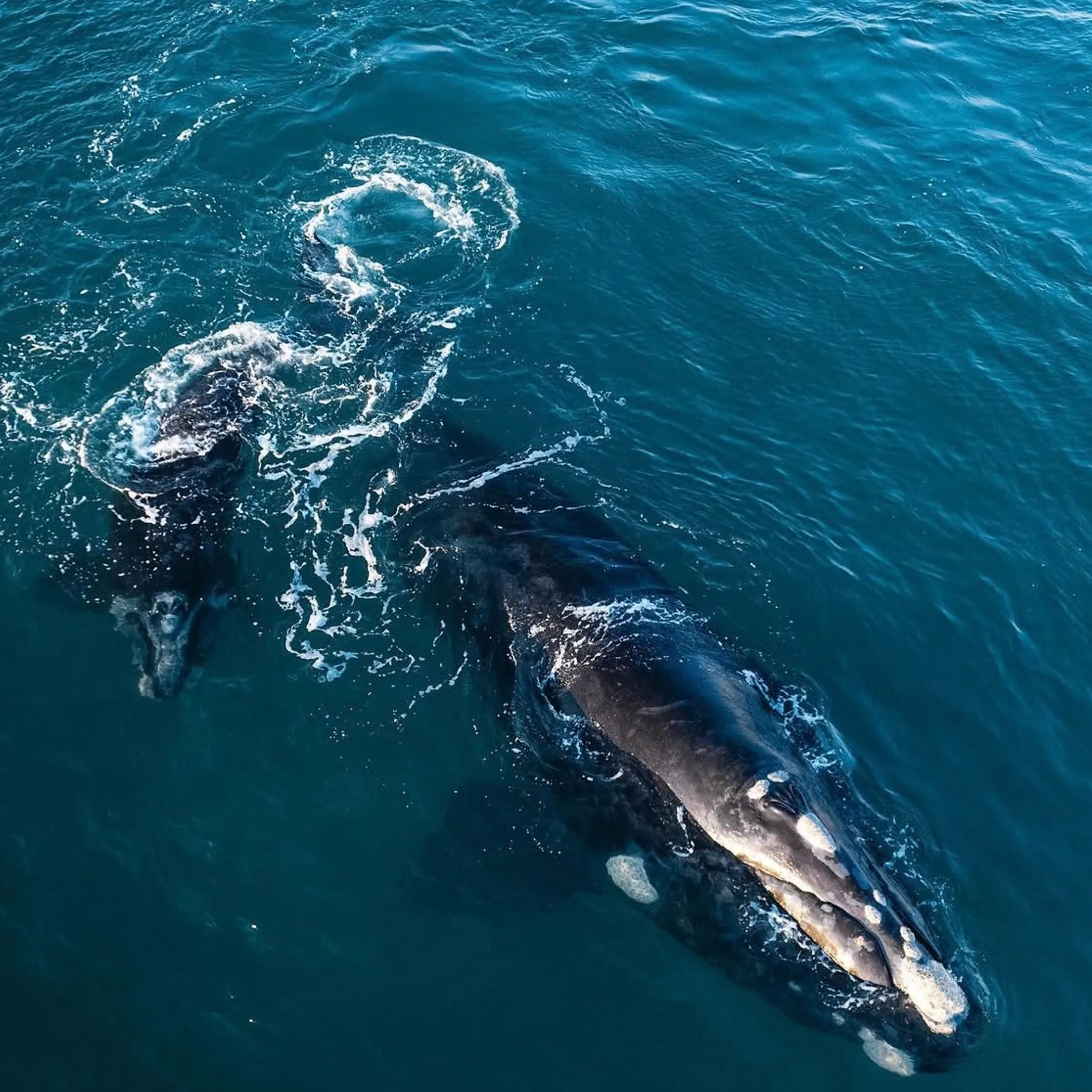
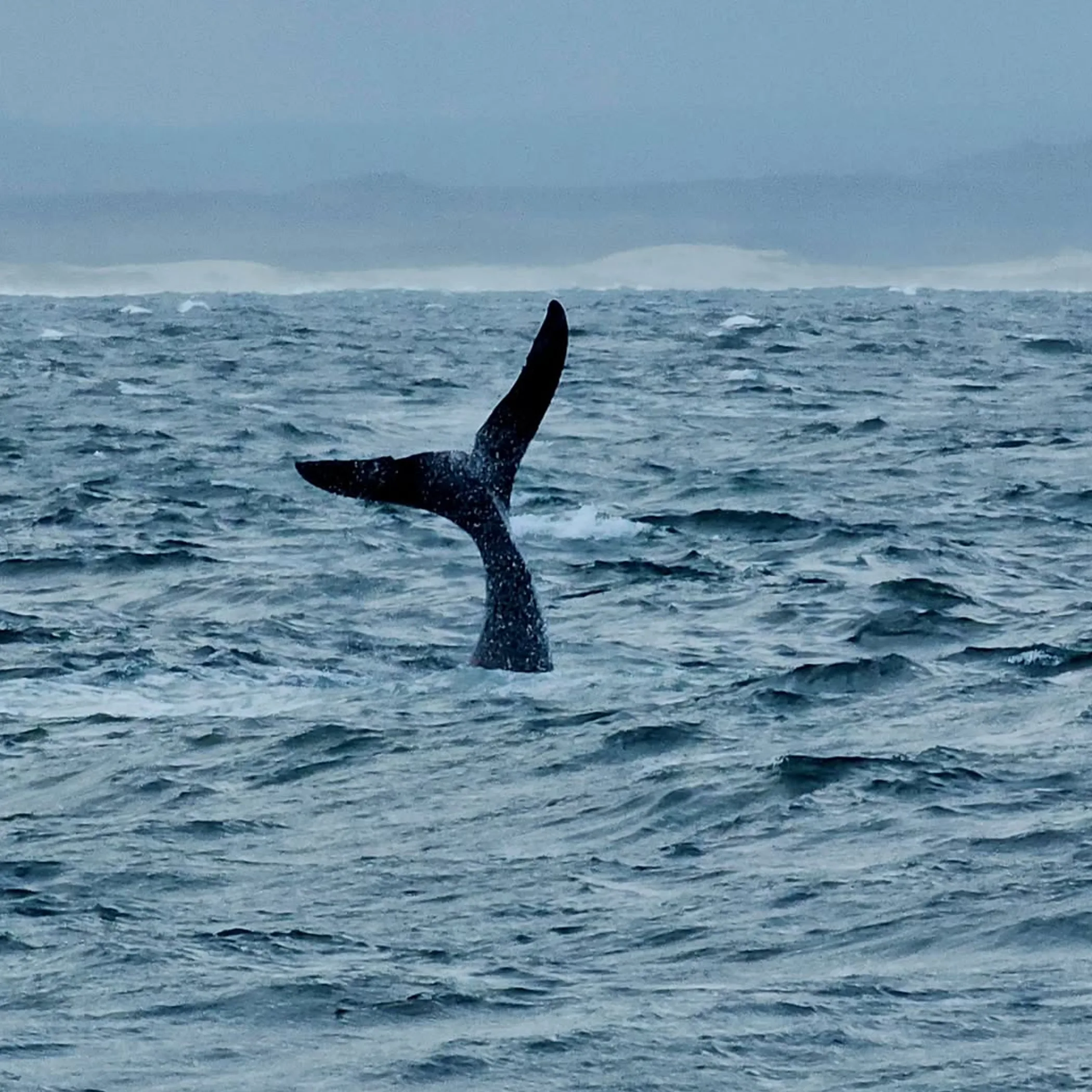
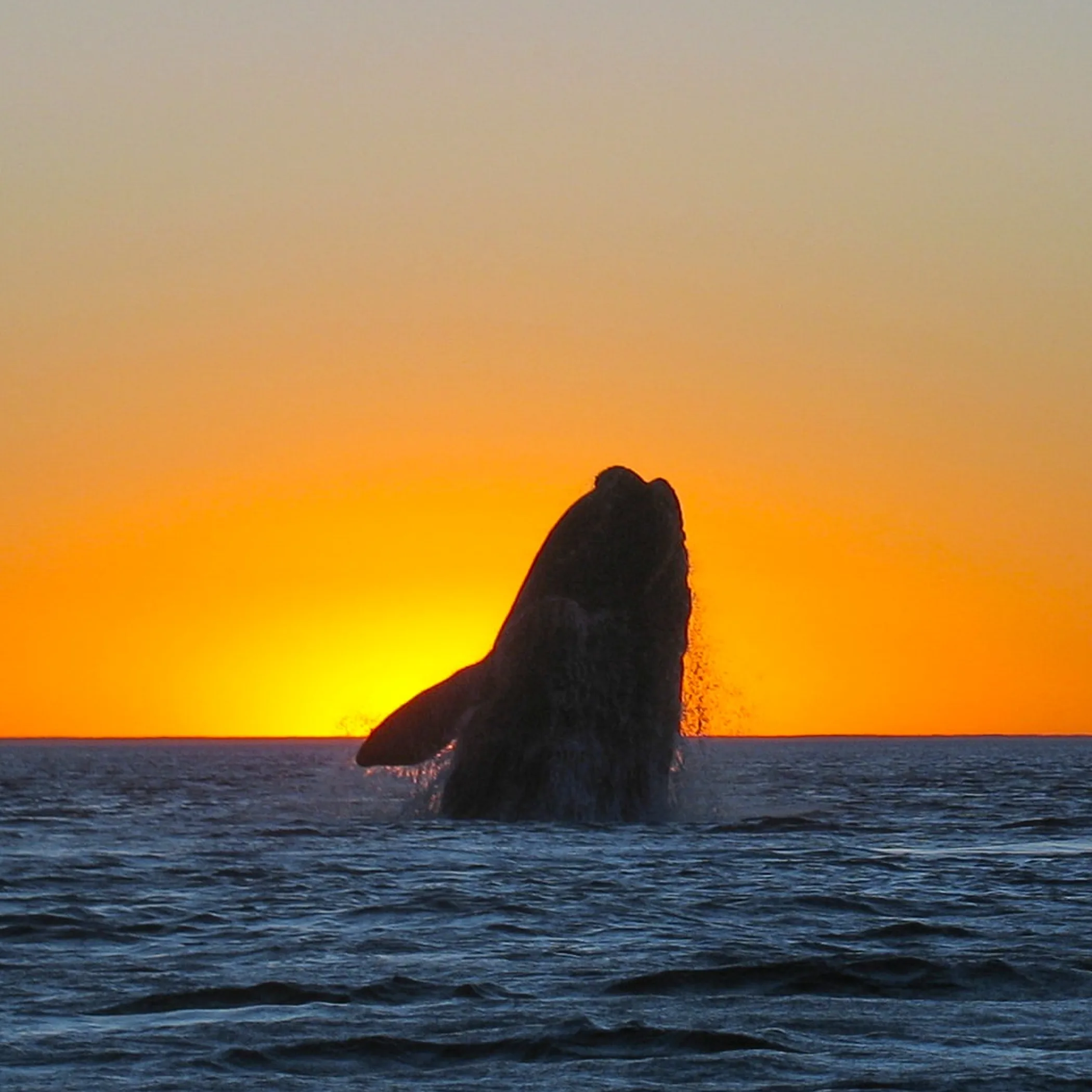
During whale watching around the Great Ocean Road winter is the time when everybody wants to travel. From May to October there is a chance to see the Southern Right Whale, provided that the area is good for whale watching.
Waterfalls during Great Ocean Road winter are very attractive as the rain and runoff provide a proper look to them. Those who plan walking along the Great Ocean Way need to understand that winter conditions can be quite different then expected from the picture. Visiting Apollo Bay during winter? There are simple winter trip tips: reserve dinner in advance if traveling midweek, as some places close early when school holidays aren’t on; many cafes won’t always be open late; and if you don’t have a plan B, have an indoor back-up. Travellers between Torquay and the Twelve Apostles experience the same with travel plans to swing by the key stop-offs, including a chance to warm up later with lunch at a local pub, bakery or, hot springs if you can route that away from the coast.
Take A Practical Route

Smart winter driving plans are realistic and have room for weather and appetite. The best plans acknowledge maps don’t allow for breaks to take photos, wet feet at bird watching lookouts, and good coffee after seeing lookouts in the rain.
This is what I would suggest to former guests if they asked me to run them through what a feasible winter trip would look like.
Two Day Coastal Plan
Day One: Depart in the early morning, make it to Torquay, then voyage further with the coast stop-offs to arrive in Apollo Bay for overnight. It gets both a full making but not thee punishing impact on day one.
Day Two: Depart after breakfast and go further west towards the Twelve Apostles and other major viewpoints; if roads and tracks are good, add in one waterfall or forest stop if you want to get back to Melbourne quickly.
Three Day Slow Version
First day: the drive from Melbourne to Torquay and on to Lorne or Apollo Bay has far more flexible stop-offs. Second day: spend time in Apollo Bay, at the designated access points for the Great Ocean Walk, or a variety of waterfall or rainforest stop-offs returning for another overnight. Third day: continue the drive to the Twelve Apostles, plan to stop for whale-watching and taking the most direct inland route return.
The plan is designed for couples, photographers, walkers and whoever else prefers not to rush.
| Section | Average Winter Drive Time | Best For | Watch Outs |
| Melbourne To Torquay | Approx. 1.5-2 hours | Depart early, straight forward access | City traffic as you leave |
| Torquay To Apollo Bay | Approx. 2.5-3.5 hours | Iconic coastal drive, town stop-offs | Curves, wet roads, and start-stop driving |
| Apollo Bay To Twelve Apostles | Approx. 1.5- 2.5 hours | Lookouts, drama of winter seas | Exposure to wind and lack of daylight |
Sleep Warm And Eat Well
Accommodations in the winter are cheaper than the peak summer season but it is not going to be free. Smaller cities close some of the options on the days between school holidays. If tourists stay during off peak times, they try to get the same options and always expect everything to be available when they desire.
In simple terms, winter flight caters for tourists who like fires, motel accommodation with parking at the door, guesthouse and a hearty breakfast before heading back out into the elements.
Rough estimates for winter
- A simple room in a motel may start at AUD 140-220 depending on season,
- A special stay from AUD 250 and up to AUD 400 per night depending on the city or region.
Booking excludes time spent organizing food and drink. Eating, Gas, and Your Daily Transportation
Eat at times that are appropriate, not when there are no other options available to you. In winter, the amount of food places can dwindle due to the time of day. That’s why you should keep snacks with you, fill your gas before they run out and do not expect to find the things you want at the right time.
If reliance is on public transport, then just understand that the task becomes easier if you drive yourself or hire a travel agency. The public transport system does exist for traveling in certain areas along with the regional connections, but in winter, the scope of options becomes limited in the absence of personal means of transport. Undoubtedly, for most people, the self-drive option remains the optimum solution in winter.
Check Conditions Before You Go
This is the most boring task till it potentially makes your trip to be hassle-free. Conditions like traffic, weather, closures, mobile coverage and personal limits assume more significance during winters than a jacket that looks like it has been color-coordinated. The references to Great Ocean Road national park, the coastal reserves and walking tracks all have dry/wet steps through which it is possible to achieve uneven access along with changing conditions. Just a slight bit of administrative effort beforehand can help save a lot of troubles later on.
Pre-Trip Checks That Matter
- Look up the weather forecasts for each of the main destinations, not just Melbourne.
- Look up updates from VicRoads about the traffic conditions and closures of roads before you leave, and on the day itself.
- Download maps and key bookings in case the mobile connectivity is lost.
- Confirm bookings for check-in at accommodations in case you arrive late.
- Inform someone about the route to follow in case you plan to hike in less visited areas.
The mobile reception could be poor in places especially if you move away from cities. If you are hiking in such weather conditions, pay attention while walking, try to avoid the cliff edges, and do not force a way through it just because you have got that far.
If something goes wrong and there is danger to life, call emergency services on 000. For matters regarding route, local visitor centers, accommodation hosts and relevant traffic updates are the fastest source of information.
Common Winter Questions
There are a few questions that every traveler has at least once every year just because they think the same way generally. That is quite understandable too. Traveling in coast winters can bring good memories, but knowing the norm differs from a problem can help.
Which Month Is Best For Great Ocean Road?
There is no single month that is appreciated by everyone. For someone traveling in winters, June to August will be good, although different individuals will have different preferences. In June the newness works and many tourists are not found; it can be coldest in July, while you can enjoy some crisp moments in weather in August.
Which Direction Is Better on Great Ocean Road?
For most people, driving in the direction from Melbourne to Torquay and along the coast is easiest. It is also significantly straightforward and keeps the route uncomplicated. While people stress on saving time, some like to take a detour first, and then use the picturesque nature on the return trip.
How Much Is It Cold On Great Ocean Road?
The temperatures during the day are around 10-14 degrees centigrade, while it is colder in the mornings and evenings. The most important aspect, however, is exposure. Winds coming from the southern ocean make it feel colder in the places of interest.
How Many Days Are Needed To Visit The Great Ocean Road?
Two days is the optimal duration for many tourists. However, if you are looking for just one day and sunrise is included, you should ideally plan for three days. It’s only a poor fit for folks who want tropical beach weather, huge daylight hours and no rain.
Take The Coast As It Comes
There’s not much to flash about Great Ocean Road winter tips. Layer up, leave earlier than you’re planning to, drive slower than you think, and plan according to seaon and not against it. Winter isn’t faulty summer here. It is a completely different thing.
If I’m scribbling this from my kitchen table in Katoomba for a past visitor, it would be: Accept some weather and be flexible in your plans, and allow the coast to do its thing. You will probably end up with more interesting stories, more imagination and possibly some respect for your socks.