The way to plan a coastal wildlife trip in southern Australia is to make one easy choice: pick less and let the wildlife put in an appearance. A rigid timetable will not do you any good here; southern Australia has a habit of dispensing its koalas, wombats, echidnas, kangaroos, seabirds, little penguins, Australian fur seals and southern right whales only to the patient traveller. I am Tristan Bell and in my time putting together itineraries and regional trips for guests I have come to understand that the destination is only part of what makes a worthwhile wildlife holiday. You are as much at the mercy of the tides and the weather and how you drive as anything else.
In this guide I take you through the wildlife on offer in South Australia, Victoria and Tasmania. There are comparisons of destinations, transport and cost realities, a sample itinerary for an Australian wildlife outing, some thoughts on safety and what responsible tourism in Australia should be about. Put simply: set aside three days or so to concentrate on a region, five to seven for something more expansive and leave some leeway for the weather to behave.
Choose The Best Coastal Wildlife Destinations
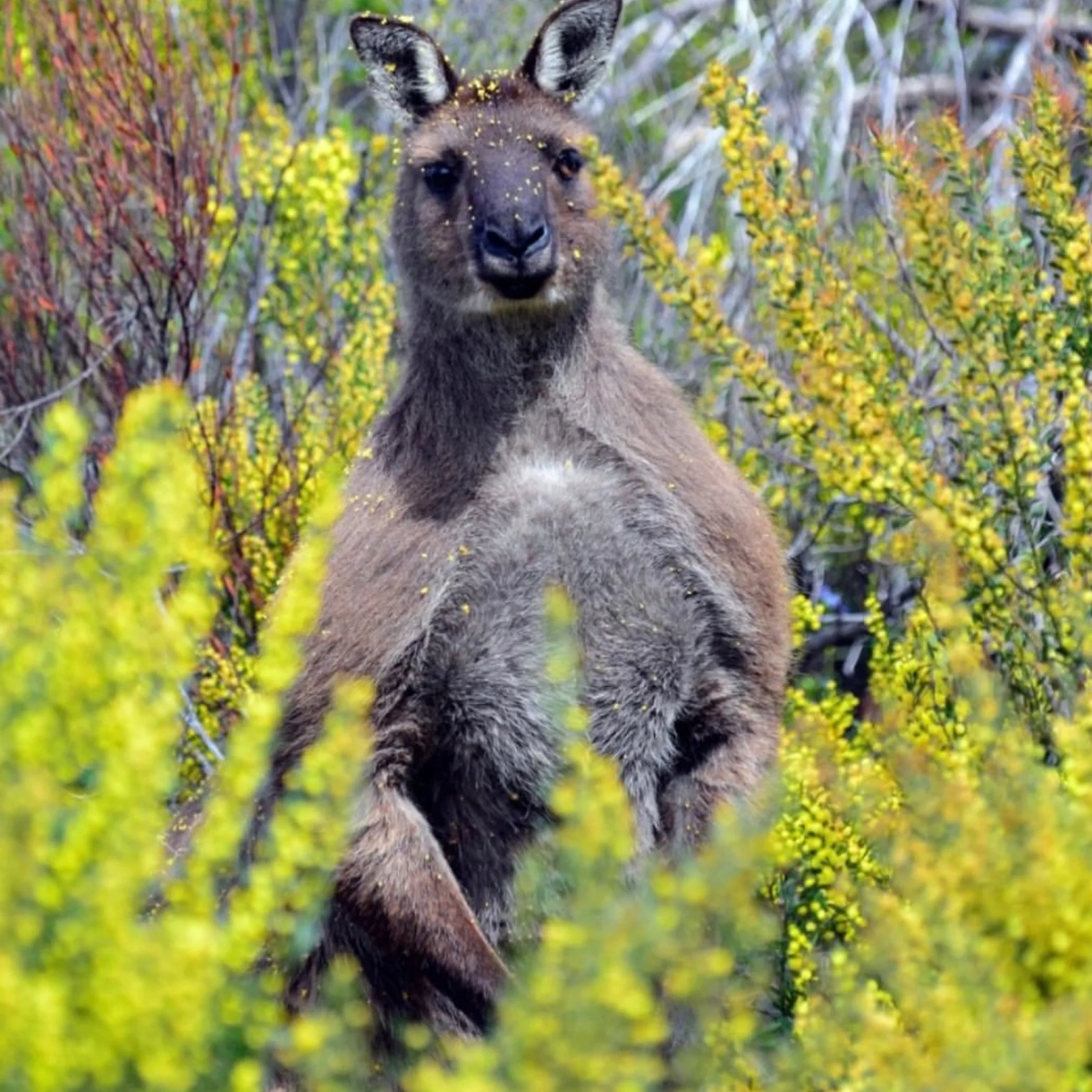
A top notch Australian coastal wildlife holiday will pair a major wildlife spot with the coastal and national parks in its vicinity. It means you are not making long transfers and if your first walk is uneventful or too windy there is another opportunity to hand.
Go to Kangaroo Island for the variety, Phillip Island where you can count on the evening penguins, the Great Ocean Road for a Victoria coastal route with some give and take, or Tasmania for the cooler climate and some fine walking. For timing, see the optimal season for island penguin viewing. It is better to find a place that fits than to go after the most well known name.
Compare The Main Wildlife Regions
| Destination | Best For | Practical Access | Suggested Stay |
|---|---|---|---|
| Kangaroo Island, South Australia | Seals, kangaroos, koalas, echidnas and seabirds | Flight or ferry from Adelaide, a hire car comes in handy | 3–5 nights |
| Phillip Island, Victoria | Little penguins, seals and a coastal walk | From Melbourne by car; take care on the evening return | 2–3 nights |
| Great Ocean Road, Victoria | Coastal scenery, seasonal whales, koalas and seabirds | Self-drive or with a guide from Melbourne | 2–4 nights |
| Wilson’s Promontory National Park, Victoria | Beach wildlife, emus, kangaroos and wombats | A longer drive out of Melbourne; park access is not always fixed | 2–3 nights |
| Freycinet National Park, Tasmania | Marine and seabird life, coastal walks | You will self-drive from Hobart or Launceston, services are few and far between | 2–3 nights |
| Bruny Island, Tasmania | Wallabies, seals, seabirds and marine excursions | Ferry from Kettering, book ahead when it is busy | 1–2 nights |
Match Places To Your Priorities
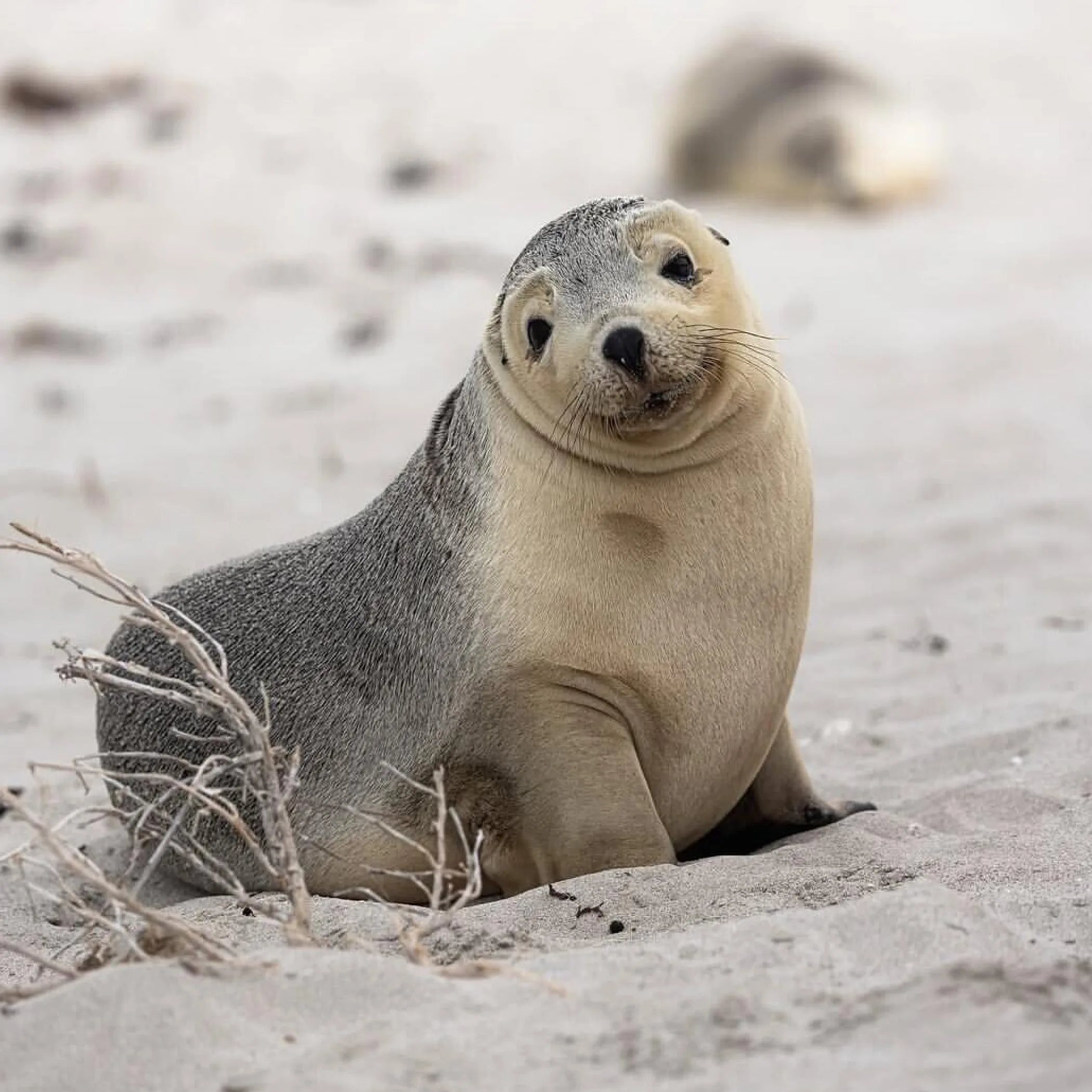
For a South Australia wildlife trip Kangaroo Island is hard to beat. One has beaches, wetlands, scrub and cliffs all in the same region. Those who like their seal watching in Australia should make for the island’s protected coasts; birders would do well to have binoculars and be up early.
Then there is Phillip Island for the penguin viewer in Australia. The little penguins are back after dark so do not think of booking somewhere and driving hours to see them and back. The walk can be cold and crowded and nothing like as quick as you might hope. Franklin the cat may have his say about the penguin traffic but he does not run things.
Travellers with a propensity for walking will be better off at Wilson’s Promontory or Freycinet. Some of the tracks are no trouble, others are uneven and expose you to the elements and demand more of you than a photograph in a brochure would have you believe. Do not expect to see everything from the car park.
Plan Around Seasons, Weather And Wildlife Activity
Wind tolerance, the coast and the animal in question will tell you when is best. Seabirds and young ones are about in spring, summer gives you daylight but the roads are busier, autumn is calmer for touring and in winter you can get better whale watching albeit with colder exposed walks.
What you see is dictated by seasonal migration but do not be under the impression that any season puts wildlife in front of you. Ferries get put back, bushfires can close things down in summer and the weather on the coast changes in a hurry. Before you head out of your accommodation have a look at the forecasts, road and ferry info and any park alerts.
Use A Flexible Seasonal Plan
When it comes to whale watching in southern Australia you will want to follow the movement of the southern right whales on suitable coastlines and the operating season of the tour company. One does not make an appointment with a wild encounter. A tour operator can put the odds in your favour, but no one is going to vouch for a whale putting on a show at the appointed hour.
When it comes to penguins, you are better served by being in the right place and heeding the rules than by worrying overmuch about the season. Phillip Island draws crowds as the little penguins are wont to return, yet wind and rain will have their say on the quality of the viewing once the sun has set.
A well packed wildlife traveller will find winter to be very good indeed, provided one is prepared for the cold of the evening, wet underfoot and less daylight. Summer makes for easier driving and walking if one can put up with the traffic, bushfire danger and the fact that accommodation is in greater demand. Then there are the shoulder seasons which present a reasonable compromise, weather permitting.
Conditions to be read before you go
Tide times should be checked for any seal colony, rock platform or beach. What is a simple route at low tide can be hazardous when the water has come in. An exposed coast is no place to count on a phone signal, nor is a beach walk to be taken as a leisurely affair if there is swell or a strong wind in the forecast.
Put some time aside for the wildlife. The drive to see a wallaby, negotiate roadworks and a caravan, or attend to a coffee emergency will turn two hours into four. To be in such a hurry is to put pressure on oneself to drive while fatigued or get too close to an animal; hardly worth it.
An itinerary for Southern Australia
Make travel the midday occupation where you can and have one activity to occupy the morning and another the afternoon. After a day of coastal walking a driver is not as sharp as after breakfast, and wildlife tends to be more so at dawn and dusk.
It would be unwise to try and fit in Kangaroo and Phillip Islands and Tasmania in the space of a short holiday. It may seem like a fine plan but in practice it is airport administration with the odd scenic interlude. Have a week at your disposal to handle the ferries, flights and vehicle logistics and then you can link two regions, otherwise stick to one.
A case in point: three days in South Australia
Arrive in Adelaide and from there make your way to the ferry or airport for Kangaroo Island. Do not be in a rush to the far side of the island on day one, a nearby coastal park will do. Day two is for a self-drive or guided outing to see the seals and woodland creatures. Make an early walk of it on day three and leave yourself ample time for the ferry check-in and any hold ups on the road.
In Victoria, head out of Melbourne for the Great Ocean Road on the first day of a coastal trip, making use of proper viewing areas and not the unsafe shoulders. A longer walk or tour is in order for day two before heading back the inland way or on to Phillip Island. If the little penguins are what you want, put in a night there; the evening return is not to be done in a casual fashion.
One-day visitors
From Melbourne take in a bit of the Great Ocean Road or Phillip Island, or from Hobart a Bruny Island tour. One experience and a short walk should be the focus. Most would be ill advised to make of Kangaroo Island a day trip given the distances and the margin for error with the ferries and loading of vehicles.
Those with limited mobility, or families and older travellers, should opt for accessible lookouts and boardwalks and be near to where the action is. If you are not for early starts or exposed tracks, do not make your trip of remote coastal walks. There is no disgrace in a good lookout, and one’s knees are not helped by any pretence of heroism.
Wildlife in Southern Australia
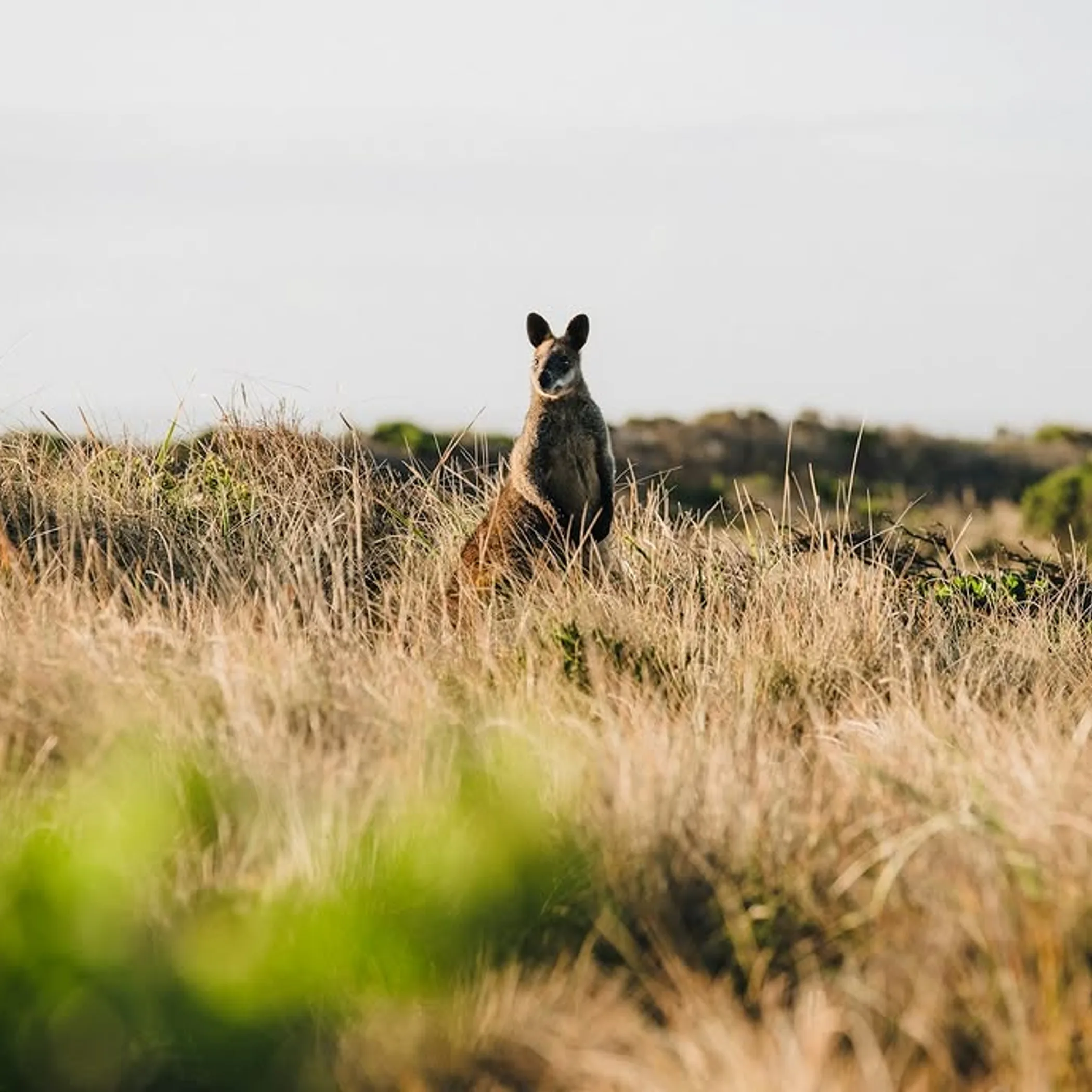
You will find a wide variety of land and marine species but it is a matter of habitat and timing. Koalas will be in the eucalypt country, a wombat is not hard to come by near dusk and echidnas sometimes put in an appearance on a quiet track. Kangaroos are at their most active in the cooler hours.
For the Australian fur seal or little penguin there are approved tours and sites. Should the season be right you might see a southern right whale from the shore or a boat. Seabirds are plentiful in the wetlands and off the cliffs and islands.
Have realistic expectations
The difference between what you expect and the reality of a wildlife trip is plain enough: it is not like going to the zoo. You could put in ten kangaroos before you have had your breakfast and not so much as a koala for the rest of the afternoon. An expert tour guide will be able to make sense of habitat clues, calls and tracks, but he is not going to be able to call an echidna out of the scrub on command.
Then there is the matter of distance with wildlife, which most put wrong. An animal can seem at ease while in fact it is feeling threatened, particularly if it is hemmed in by cameras or has its feeding ground obstructed. Heed the minimum distances posted by the park or your operator, remain on the marked track, keep your voice down and put the binoculars to use.
Self-Drive Or Guided Tours
For the self-drive option you have the reins as far as where and when to stop for a meal or some photography. A confident driver will find it suits long distances and variable road surfaces without many services about. Do not just look at the hire-car price, factor in fuel, ferries, accommodation and park permits and you will see how the costs mount.
Those who would prefer to leave the navigation to someone else and have the benefit of local knowledge and wildlife expertise are better off with a guided tour. The operators will tell you what is open and how conditions are. One does have to accept a set schedule and the pace of the group, and you may not get as much time as you like over an animal.
Make Allowance For Actual Costs
You will find everything from a hotel or eco-lodge to a no-frills campsite or holiday park. In remote coastal spots and on islands food tends to run you more, so have some sensible snacks on hand to spare your temper and wallet. Ferry and national park fees, a late booking for a room or a tour are where the extra expense lies.
An online quote is only valid to the day you book, given the season and the operator. Make sure you know if entry, transfers, equipment and meals are part of the package. Once you do the sums, a wildlife tour that is cheap on paper because it does not cover transport is hardly a bargain.
Coastal Conditions And Viewing
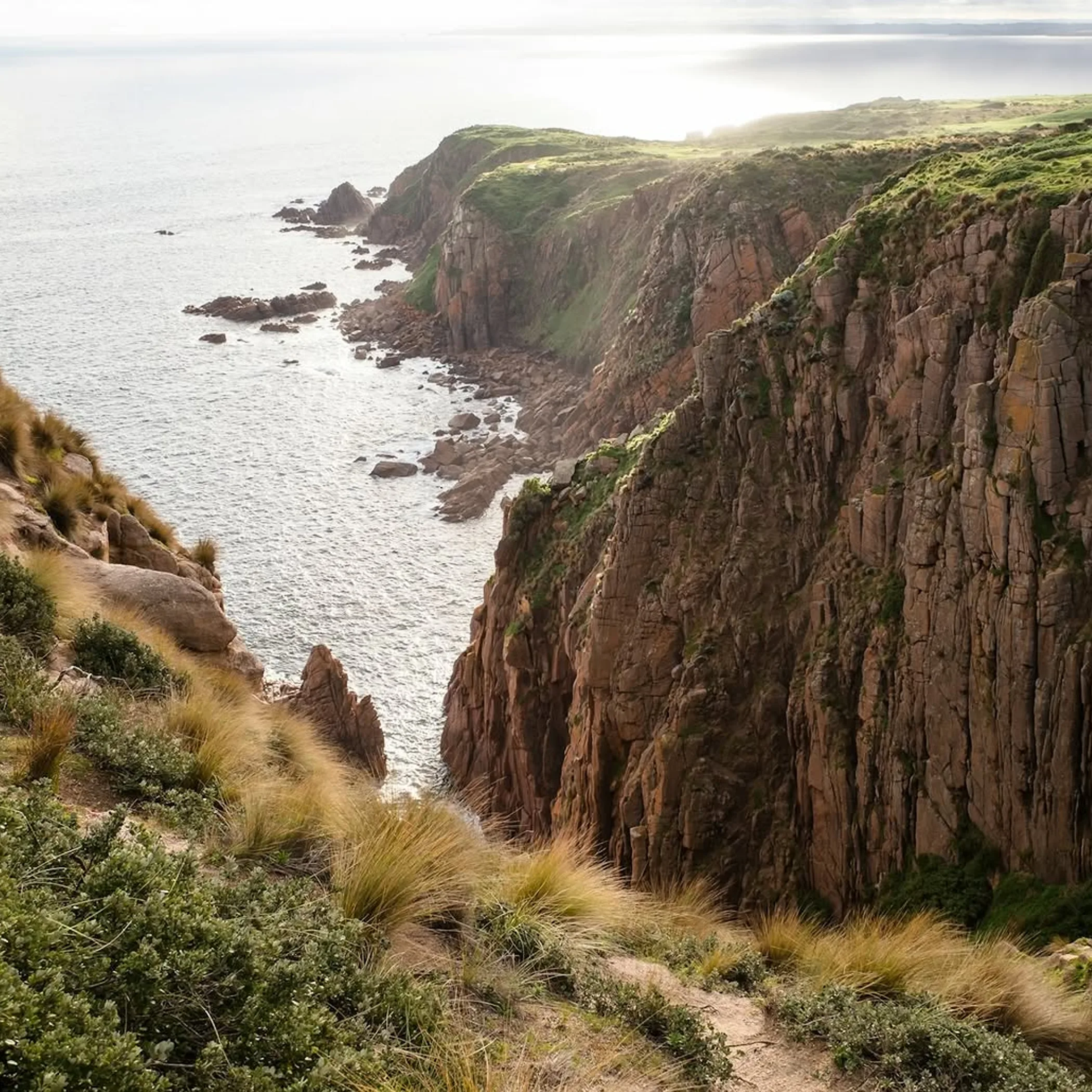
In Tasmania or the more exposed parts of the Victorian coast one can experience four seasons in a day. Put on something with grip, have water and layers to put up with wind and rain. A hat, reef-safe sunscreen and insect repellent along with your binoculars are small things that will be noticed.
- Spare socks, a waterproof jacket and some warm layers.
- A first-aid kit, snacks, a phone with charge and a bottle of water you can reuse.
- For approved evening walks a red-light torch and binoculars; a small bag for any rubbish.
- Your sun protection and insect repellent.
- Booking confirmations, emergency numbers and offline maps.
Tides, Tracks And Roads
If you are walking past a busy lookout let someone know your route. Obey any closures and stick to the track, even if the section that is closed looks innocuous. On popular roads with caravans and coaches in national parks it can be perilous to pull over and parking is not always an option.
Be circumspect near a large swell on the beach, or cliffs and rocks that are underfoot. Do not let children stray near the water and never have your back to an oncoming wave. Should the conditions get rough, put the plan aside. The wildlife is not going anywhere, your dry socks might.
Responsible Tourism
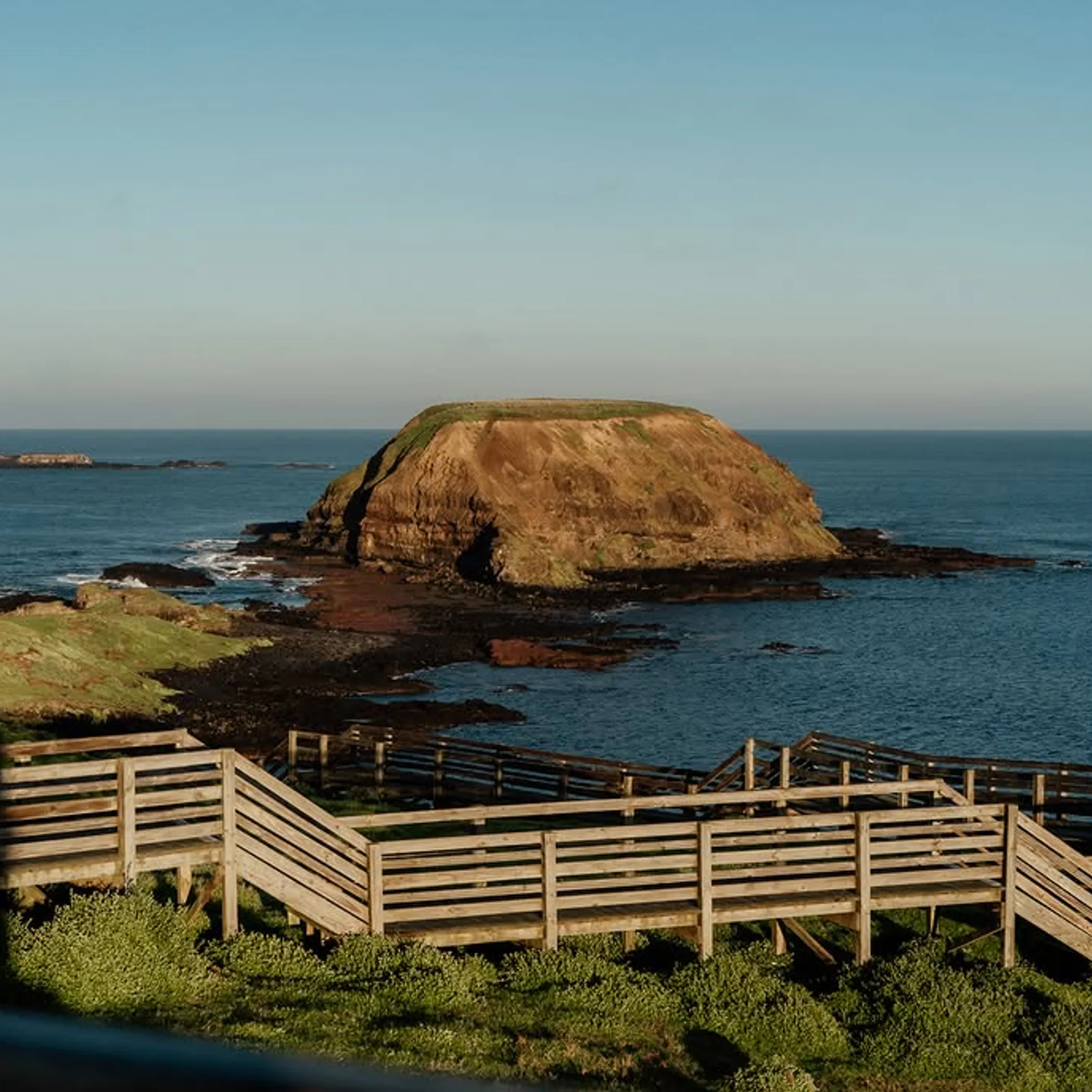
Wildlife tourism in Australia is only responsible if you allow animals their normal run of the land for shelter and food. There should be no feeding of wildlife, using calls for the birds, blocking an animal for a photo or making contact. Parks Victoria, the National Parks and Wildlife Service in South Australia, Parks Australia and the Tasmanian authorities all have guidance to be followed.
Before you go, consult official sources such as the South Australian parks and wildlife information. Relying on an old social media post is not advisable as rules and permit requirements are subject to change.
Leave No Trace
Put your rubbish in the bins or take it with you. No collecting of shells, rocks or feathers, and no drones around the animals; keep dogs away from restricted zones. Pick an operator that is calm in the presence of wildlife, has local guides and puts conservation first. Observe from the proper vantage point and respect the required distance.
- Do not let wild animals associate an approach with a reward; keep food put away.
- Be of little noise in the vicinity of penguin colonies at night or where seabirds are nesting.
- As for your campsite, the beach or any tracks you make, leave them in the condition you came upon.
- Any unsafe conduct or injured wildlife should be put before the park authority.
While the Australian Wildlife Conservancy and its like will put habitat protection in perspective, there is no cost to the simplest measure: allow wildlife the room it needs. A good photograph is no substitute for a respectful encounter and one that does not put an animal under stress.
Frequently Asked Questions on Coastal Wildlife Trips
Travellers making plans for a tour of Tasmania, a coastal route in Victoria or a South Australia wildlife trip tend to have these same questions. The answers are not particularly glamorous but are all the more practical when it comes time to book a ferry.
What Is The Best Time To See Wildlife In Southern Australia?
One could do worse than spring or autumn for a combination of activity, daylight and visitor numbers that are not overwhelming. Then there is winter for the hardy walker or whale watcher, or summer with its protracted days, though also the heat, traffic and the possibility of bushfire closures. It is a matter of what species and destination you have in mind and how much cold or company you can stand.
Where To See Penguins In Southern Australia?
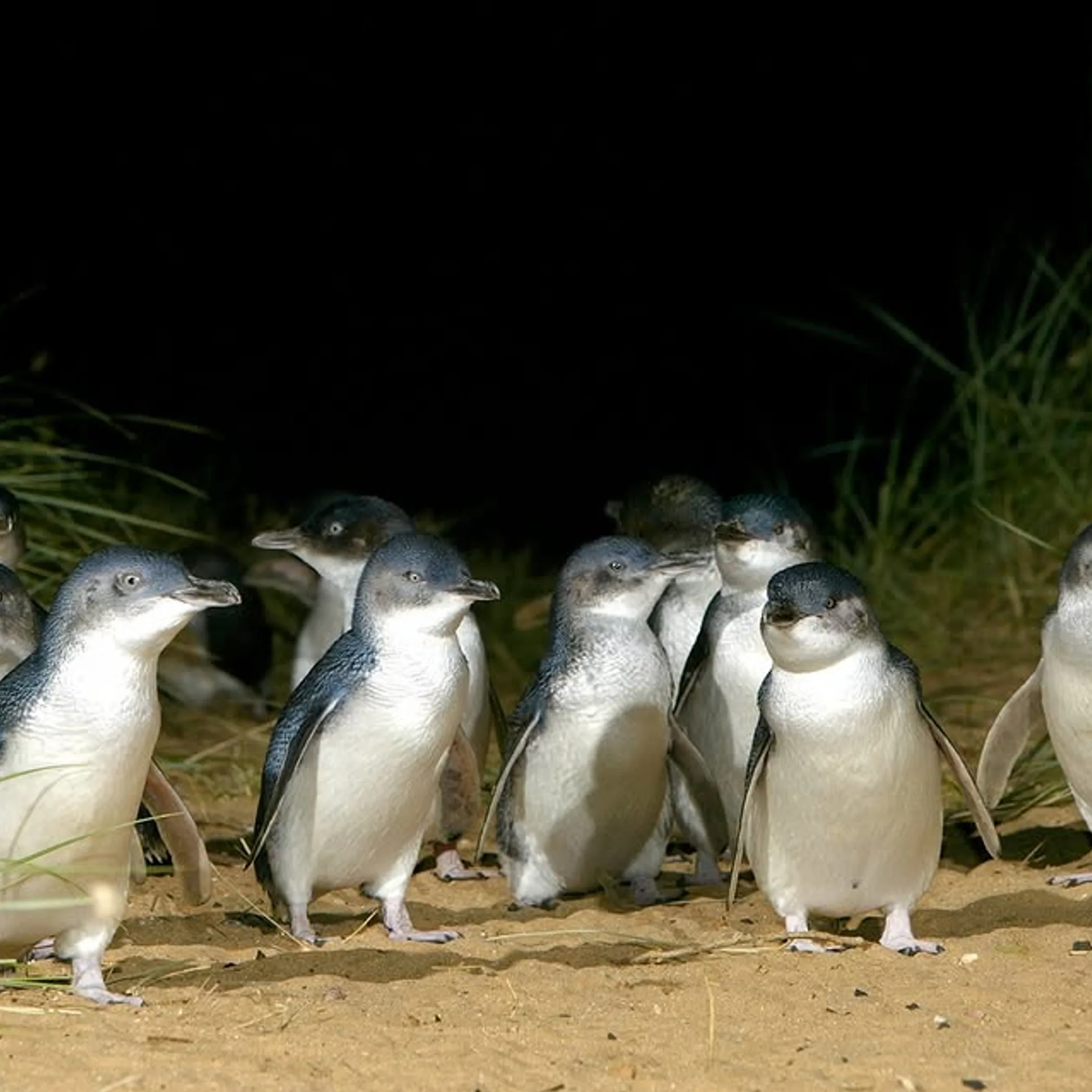
For little penguins Phillip Island is the place to go in the south of Australia, with its colony open for evening viewing. Come early and put on something warm, heeding the instructions put in place. Under no circumstances should you use a flash or make your way to penguins as they come back through the colony.
What Sort Of Wildlife Is On Kangaroo Island?
The varied habitats of Kangaroo Island are home to kangaroos, koalas, echidnas, Australian fur seals and seabirds among other natives. But where and when you see them is dictated by location and the weather. There is no need to putter about the island in your car when a guide will show you what is there.
Is It Worth Making The Trip To Kangaroo Island For Wildlife?
It is, provided you have three nights to spare and are after a wide range of both terrestrial and coastal wildlife. Do not try to rush it in a day; the distances and the ferry will take their toll. Secure your accommodation and transport well in advance in the busy season.
Seals And Whales In Australia?
Reputable marine tours and the viewing sites along the coasts of South Australia, Victoria and Tasmania are where you will find them. From the lookouts you can often spot seals. Whales are another matter, being subject to the season and the elements. Heed the signs at each site as to how close you can get.
How Many Days For A South Australian Wildlife Trip?
Five or seven would be better for a leisurely trip with some travel time built in; for a concentrated visit to Kangaroo Island three days will do. Put in more if you are inclined to longer walks, a self-drive at a slower pace or a number of guided tours.
Packing For An Australian Coastal Wildlife Trip
You will want a first-aid kit, insect repellent, reef-safe sunscreen, water and snacks as well as binoculars and sun protection. Make sure to have a waterproof jacket, good footwear and layers. Some of the more remote spots have little in the way of power or reception so pack offline maps and the means to charge your devices.
Seeing Australian Wildlife In A Responsible Way
Heed operator and park instructions, do not feed the animals and remain on the marked track. Opt for a tour that puts something back into the community and conservation. If you have done it right the animal will be none the wiser and will carry on as if you were not there.
A Slower, Smarter Approach
There is no point in ticking off destinations; plan around the habitats and the trip in southern Australia will be all the better for it. Pick a region, factor in driving time and the weather and check conditions.
I would advise keeping the day’s schedule uncluttered and booking only the necessary transport. Let the coast dictate the pace. You may forgo a lookout you had in mind but then again you might have the pleasure of a seal out of the water, a sky of seabirds or a wombat in quiet. That is the good part.