There is a straightforward way to go about it with an outdoor deck in Australia: make a point of inspecting it weekly, give it a clean once a month and do something more thorough when the season turns. One cannot rely on an annual scrub to be enough; with the UV, the heat, heavy rain, wet winters, salt and the leaf litter that accumulates, a once-off effort does not tell the whole story for Australian timber.
Tristan Bell here. In my experience one is better off with the tedium of regular maintenance. For more deck upkeep advice, see this guide. A deck will not come undone because you put in a Saturday. It is the small things, like a screw working loose or some moisture making its way in, or timber going grey, that are allowed to fester and get costly. This guide to a deck maintenance calendar for Australia tells you what to do and when, and where most people make their mistakes.
The Case for Seasonal Care
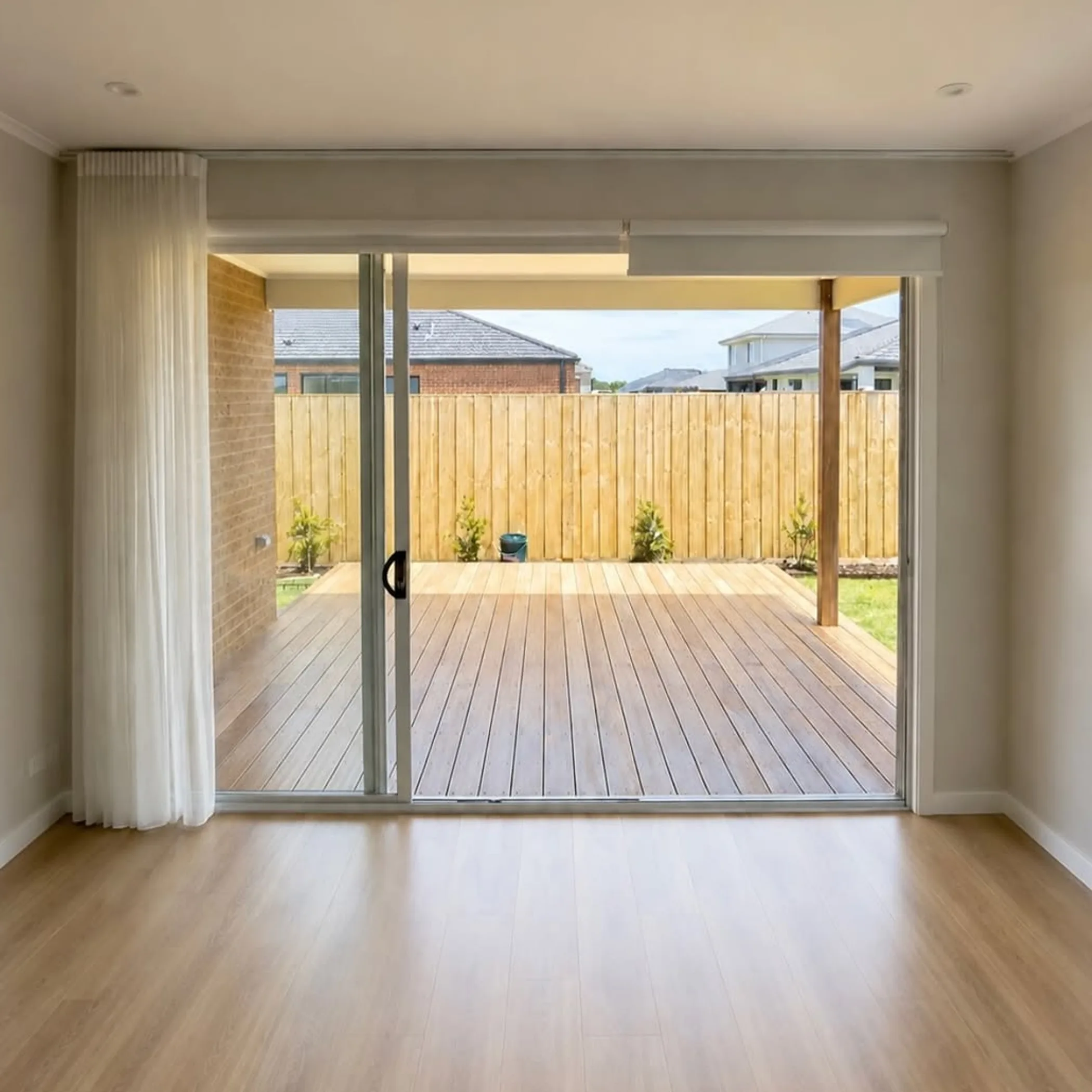
You have to account for the weather in this country which can be quite different from one region to another. In Katoomba a timber deck has to put up with cool nights and a damp winter, in the Top End you have the long dry-season heat and intense storms of the wet. Then there is the coastal home with its wind-driven rain, salt and the quicker corrosion of a rusted fastener.
Maintaining the deck on a seasonal basis is about being able to deal with these things before they get to the substructure or the timber. The object is not a showroom finish but to have something safe, stable, dry and good to use.
Risks From The Weather
In summer the surface dries out, fades and splits. Autumn sees the gaps filled with damp debris, bird droppings and leaves. Winter will show you any moisture damage or lack of drainage. Come spring you can put in a deep clean, see to the structure and get the surface ready for a re-oil.
If you are planning to do some coating or cleaning work you might check the Bureau of Meteorology for their forecasts and climate data to see what the rain or wind is doing.
Tasks For The Week And Month
Do not let the deck get to the state of a rainforest by the time you get around to it on a Saturday. A few minutes on a sweep and a look over will save you from staining and the odd repair bill. Be sensible about it; a sheltered deck in a dry part of town does not demand as much as one near the coast or a pool.
What to look at each week
- Clear off any grit, dirt and leaves so they do not hold water to the wood.
- Deal with fallen fruit, food and bird mess right away.
- See if there is any new greying, raised grain or cracking, or patches that are slippery.
- Give the railings, handrails and outdoor stairs a once-over for movement.
- Make sure no nails or screws are loose and there are no sharp edges.
Once a month
Put the furniture aside and have a good look underneath. A pot plant left on the boards will mark them and the legs of the furniture are apt to collect water and dirt; put them on some kind of stand to let the air in.
See to the drainage and the gaps, mud and leaves will prevent the boards from drying. Get under there if you can to check for rot, insect activity or a sagging substructure.
Jot down the details in a note, the date, the products, what you did and the weather. You may think it is overkill until you are standing there trying to remember which part was oiled last, like some bloke at the barbecue putting you through the rules of cricket.
Summer and the Timber Deck
The heat and UV are plain to see in summer. Coatings will fade and the timber grey faster under the rays, and the boards can be hot under foot and prone to split. It is also the time for entertaining, the barbie, paddling pools and so on. More traffic means more wear and tear on the railings and stairs.
Sun and heat protection
Go with a penetrating or UV-resistant oil suited to the species and the finish you have. A clear product will fend off moisture but a pigmented stain will do more for the colour. Read the label on the product to know how to prepare and cover the surface and for drying times. Timber should not be oiled in the height of the day’s heat. The surface will get too hot and the product is apt to dry in an uneven fashion, flash off or put down lap marks. A better approach is to find a mild, dry spell with some shade and make sure the deck is not subjected to rain or heavy dew while it dries.
To ensure the boards weather uniformly, shift your furniture about from time to time. Put a heatproof mat under the barbecue and use protective feet on the furniture; do not drag anything heavy. And put away a small plastic pool or other wet items after a while, otherwise one will end up with a mysterious rectangle on an otherwise tidy deck that seems like some sort of renovation gone wrong.
Bushfire And Storm Risks
Where there is a summer bushfire hazard, the deck must be kept free of any flammable storage, paper, dry leaves or plant matter of any kind. Heed local emergency directives and property requirements. Fuel, chemicals and gas bottles are not to be put under the deck unless in a properly ventilated spot.
In the event of a storm, put away loose decorations and see that any lightweight furniture is secured. After the wind has passed, check the stability of railings and outdoor stairs. In northern Australia one will have to factor in cyclone alerts during the wetter months and not plan any coating work if severe weather is in the offing.
Leaves And Moisture: Autumn Care
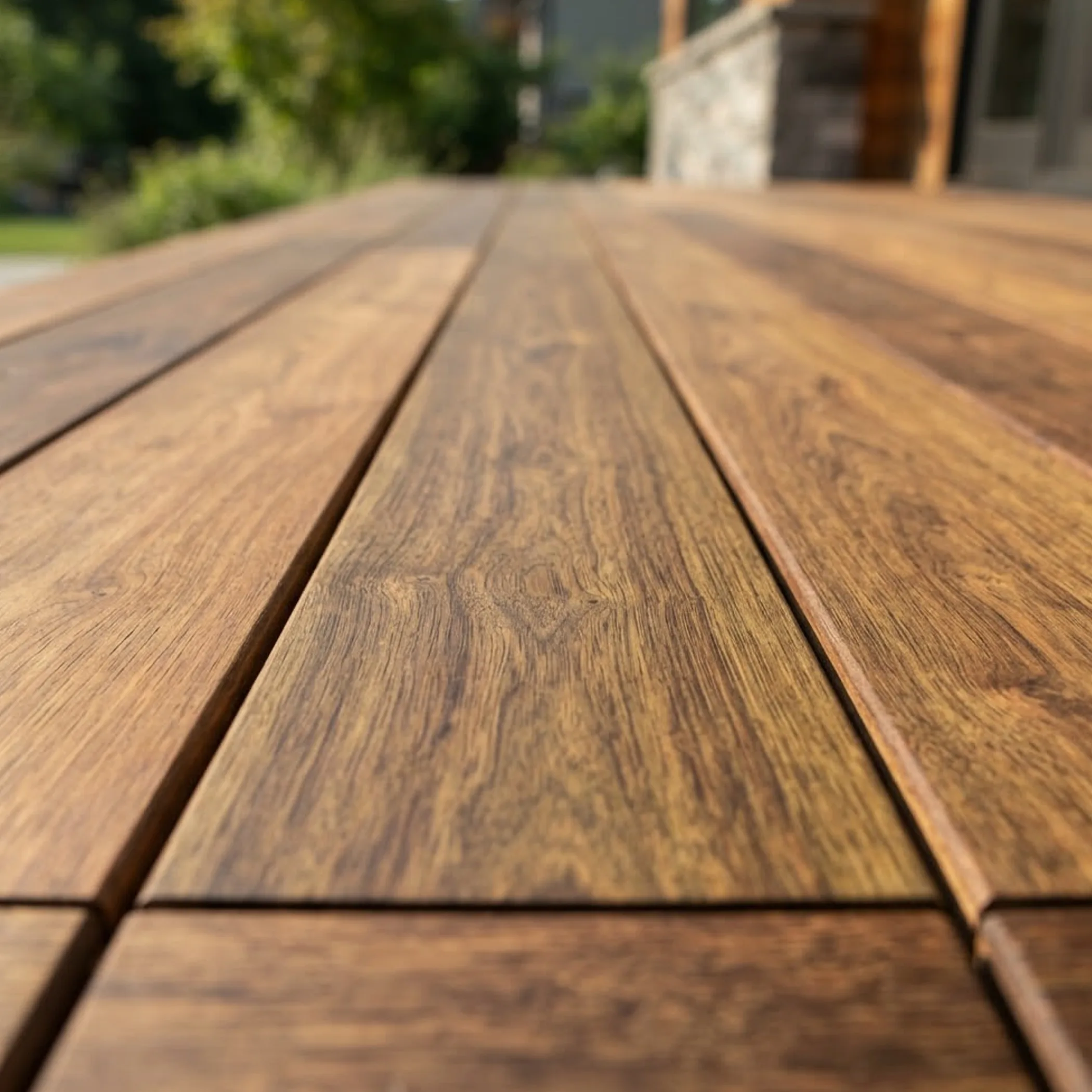
The season is for clearing out the traps. Left to their own devices in corners and between boards, seed pods, leaves and damp organic material will decompose into a dark paste of moisture against the timber. It is a good opportunity to have a look over the deck before the wet sets in; a couple hours of maintenance will show you fasteners in need of tending, blocked drainage or coatings on the way out.
Debris Should Be Cleared To Prevent Staining
Put the furniture aside and get at the whole surface. Sweep and then take a soft brush or deck cleaner to any marks. Bird droppings in particular should be dealt with right away or the sun will bake them in and they will stain the coating. When using cleaning chemicals, do not be casual about mixing them. Gloves and eye protection are in order, as is reading the label and shielding plants. A test on a bit of old timber or an unmarked area of the deck is advisable.
Fasteners And Drainage
Discoloured boards, gaps clogged with debris, loose screws and nails and rusted fasteners should all be looked at. There may be a fixing issue or moisture damage under a nail that has come up so do not just hammer it back down. Make an inspection of irrigation and downpipes as well. If water is always coming down on the same part of the deck it can deteriorate locally even if the rest appears fine. Fix any leaks and turn the sprinklers elsewhere prior to putting on sealer or oil.
Damp In Winter
Summer tends to hide what winter brings out. With poor airflow and persistent shade, timber stays damp in a wet winter and one runs the risk of mould, decay, swelling and slippery surfaces. Restoration and cleaning are not always feasible in winter since a damp piece of timber will not take oil or stain evenly and coatings require their drying time. Reserve the season for the odd repair and some safe cleaning and inspection, barring a truly dry window.
Spotting Moisture Damage
A walk over the deck will tell you if there is movement. Give unusual sagging, springy boards or dark patches your attention. Look at ledger connections, around posts and near doors where water is likely to make its way in. Do not put a waterproof sheet over a damp deck for any length of time, condensation will only compound the issue. Open up the space by trimming vegetation and moving things about.
Slippery Boards
Old coating, algae or mould on wet timber makes for poor footing. Exercise care on the stairs and put on something with a decent grip. Aggressive cleaning is to be avoided on an unstable or slick surface. Should you come across rotting wood, a substructure in disrepair or damaged railings, cease use of that part of the deck and have it inspected by someone qualified. No amount of cosmetic work will put right a structural failure.
Preparation And Spring Cleaning

For a proper run through of the inspection checklist, spring is generally preferred. One can get on with deep cleaning and repairs in the mild conditions, though the calendar is no substitute for the local weather.
Apply a finish only when the timber is in good order, dry and clean from your spring work. I have seen it time and again: the most frequent error is to hasten the last part of the job. One will put in a fine scrub and then oil the deck with the moisture still in it; you are left with a patchy colour and a finish that does not last.
Deep Clean Without Damage
Sweep up and clear the gaps in the deck first. Put on a timber cleaner of the right kind, let it dwell as per the instructions and scrub along the grain. Rinse well yet do not let water run under the deck or into the house.
A power washer will get at the grime in short order but too much pressure can scar the wood, force its way into the joints and raise the grain. If the boards are soft, loose or badly cracked, do not use one. Cold and damp weather is no time for it either since the timber will not dry off, and keep the nozzle well away from the surface.
Inspect Before Recoating
Give the deck time to dry after you have cleaned it. An hour may be enough for the surface to feel dry but in the shade or where it is humid it could be days. See what the manufacturer has to say on moisture levels.
Any mould or moisture problems must be put right before you refinish, as should any damaged boards or fixings that need tightening. Sand down where you must and make sure there is no dust about when you put on a coating. Rotten timber will not be made sound by a new finish.
Oil Stain Or Reseal?
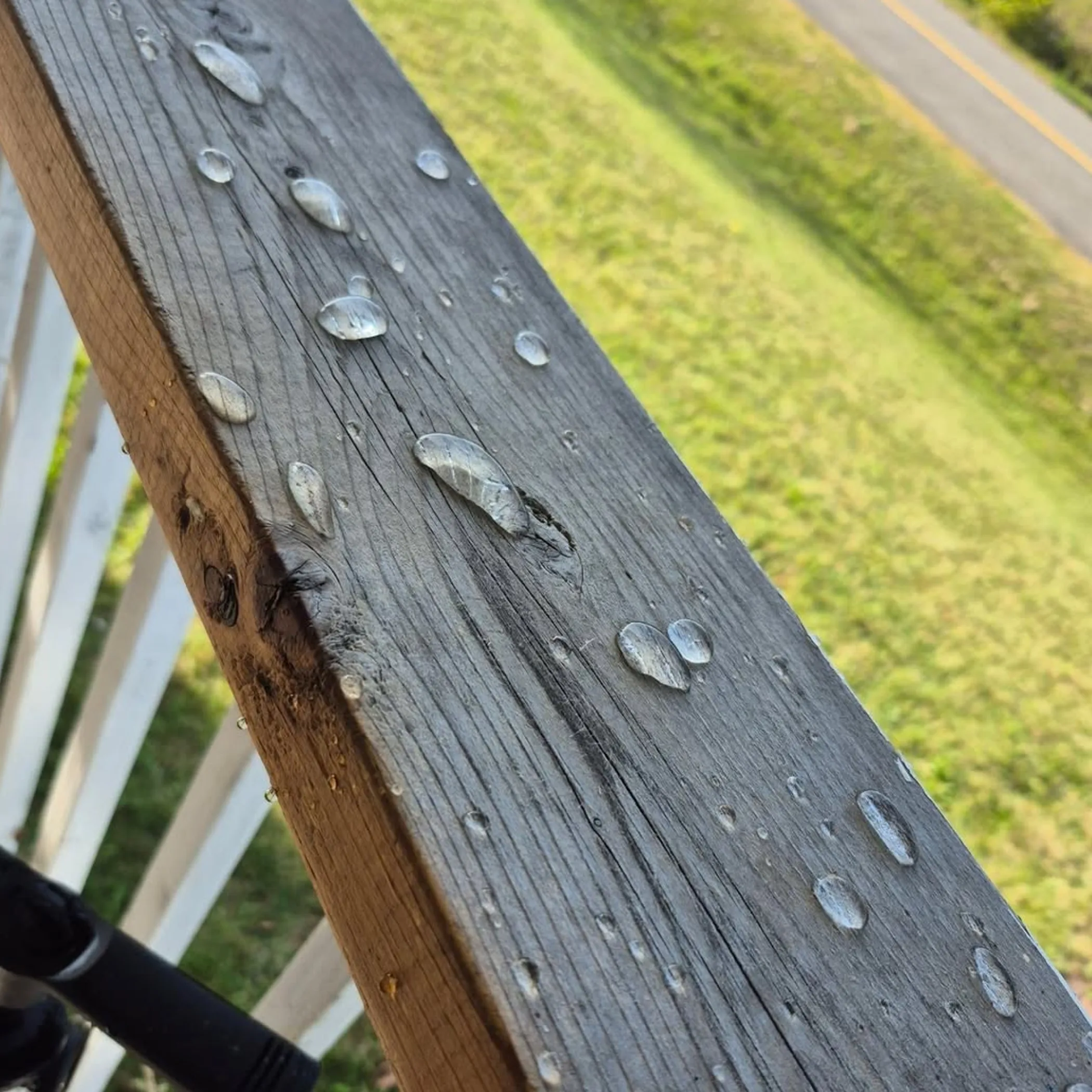
The type of timber, the product and how much traffic and exposure the deck gets will dictate how often it needs oiling. A deck in full sun by the coast is more demanding than one in the shade. Do not be bound by some annual rule of thumb; have a look at the finish and try a water-drop test on a spot that is clean and dry.
Provided the colour is even and the water beads for a bit the protection is holding. But if the water soaks in and the surface has gone grey or the finish is uneven, it is time for re-oiling or perhaps a more extensive restoration.
| Condition | Likely Action | Practical Timing |
|---|---|---|
| Even finish, water beads | Clean and monitor | Monthly inspection, reassess with the seasons |
| Faded surface, quick absorption of water | Clean, dry and put on an oil that is compatible | Make sure you have a few dry days to do it |
| Old coating is peeling | Get it ready for a recoat | Set aside a period for restoration |
| Rot or structural movement | Have it assessed and repaired by someone qualified | Oil or sealer will not suffice |
Do not put one product over another without preparing the surface; they are not all the same. A penetrating oil is different to something that sits on top. Retailers like Bunnings Australia will offer some guidance on application but in the end the existing finish and the species of timber are what matter. You may find maintenance tips from RACV, Deck Doc or TimberTech Australia of use in certain circumstances, but cross reference them with the condition of the deck and the maker’s instructions. “Every year” is not a given for resealing. Some decks require less work but more thorough cleaning and inspection.
Climate Will Dictate The Schedule
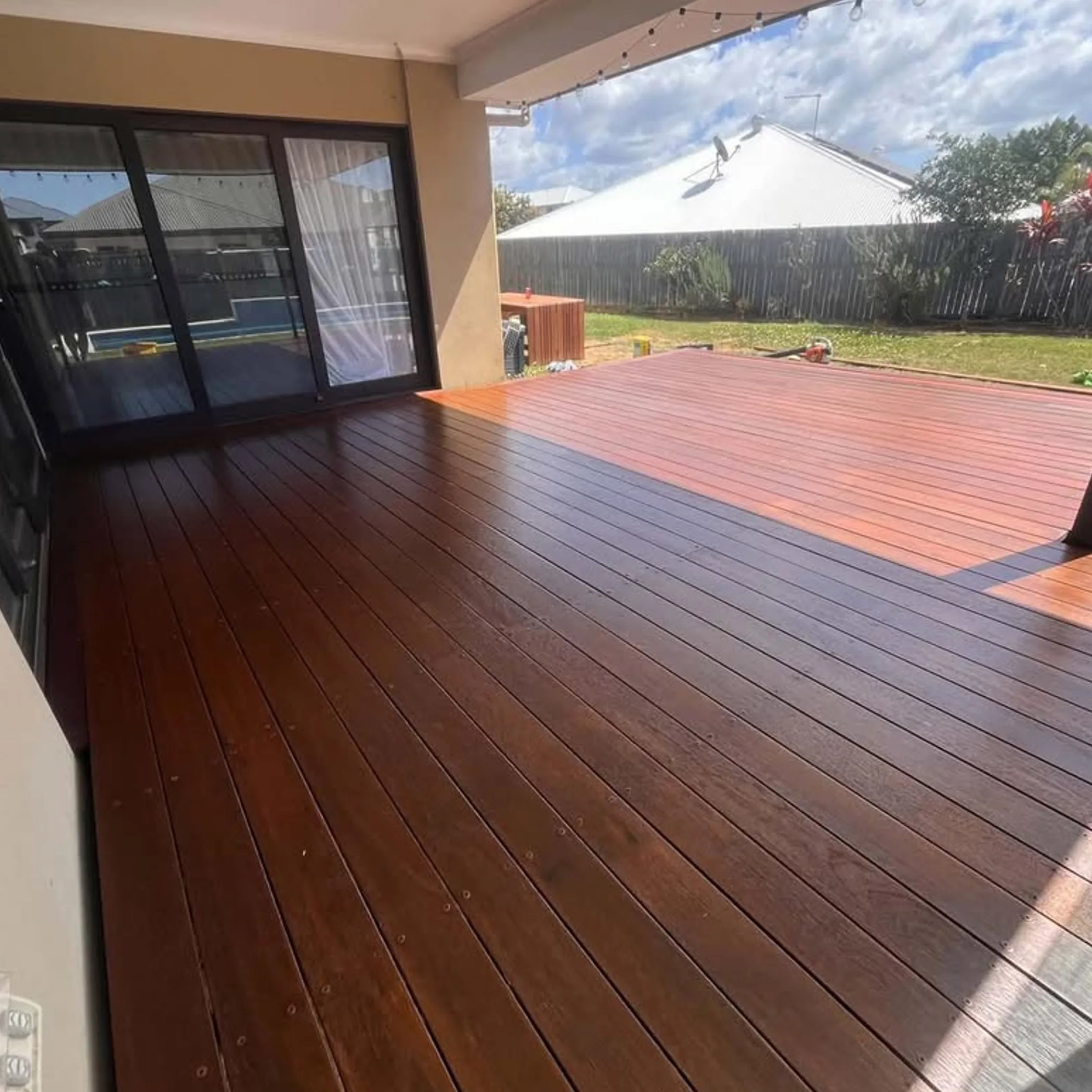
You will not find a one size fits all timetable for an Australian outdoor deck. Orientation and exposure are of more consequence than the postcode. In a hot inland spot a north-facing deck can fade in a hurry, a south-facing one in a valley might have trouble with mould and slow drying in a damp climate.
Take the table below and modify it once you have seen how the deck holds up over a season or two.
| Location Or Exposure | Main Threat | What to do |
|---|---|---|
| Coastal suburbs | Corrosion and salt | More regular inspection of fixings and rinse off salt |
| Hot inland | Splitting, heat and UV | Check coatings and put up shade if you can |
| Wet, shaded spots | Moisture damage, algae and mould | Ensure there is drainage and airflow, clean safely |
| Top End / north | Storms and wet-season rain | Get your preparation done before the weather turns |
| Under trees | Litter clogging the gaps | A weekly sweep to see off debris |
Deck Checklist And Safety Tips
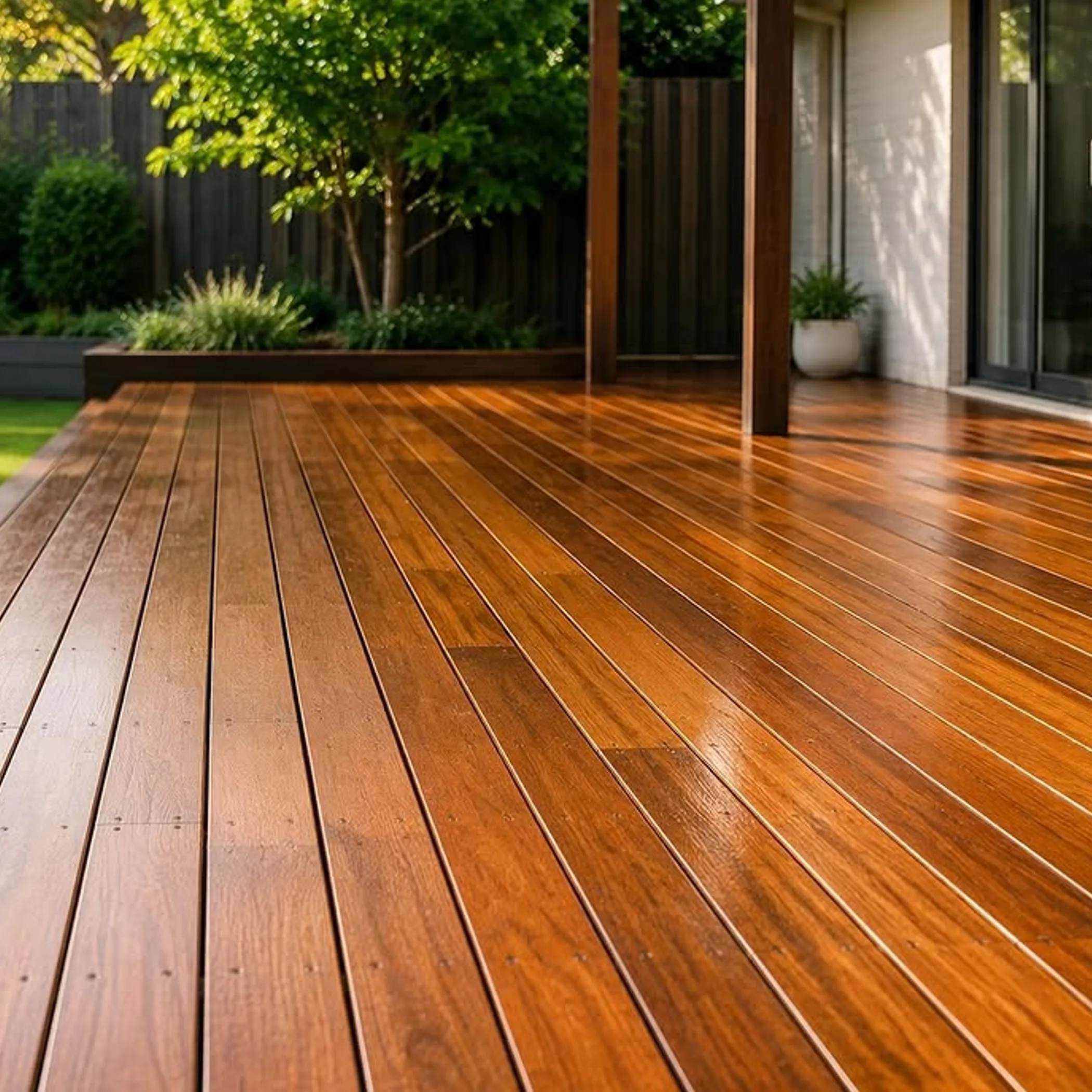
Make your checklist for maintenance concise but with enough detail to reveal any trouble. A cardinal rule of safety is not to be confused by the cosmetic nature of a problem and treat it as such; structural issues are to be handled differently.
One should work in stable conditions, put away any cleaners as the label directs and make sure children and pets are not about where there are wet coatings. When you have to put in some time on a ladder for work at height or in the vicinity of stairs and electrical gear, think first if the task is one for you.
- Boards, the substructure, railings, outdoor stairs and deck gaps all warrant an inspection.
- Get rid of any furniture, moisture, leaf litter and bird droppings.
- A good rinse with an appropriate product will clean without marring the grain.
- Do not put oil, stain or sealer on until the surface has had its full drying time.
- Any nails or screws that are loose, fasteners showing rust or boards that are no longer safe must be replaced.
- And for the next time round, make a note of the products used and what repairs were done and when.
In the event of having just a day, water management and safety take precedence. Clear out the gaps, see to the stairs and railings, put down any slippery growth and spot a board that is soft or gives way. Put off refinishing to another day when the weather will allow for proper drying. There is seldom any value in a coating job done in a hurry.
Frequently Asked Deck Questions
Homeowners are often at a loss with these because the rules of the deck are put forward without the necessary context. The answer is dictated by what timber and product is on the surface, the structure and how much exposure it has.
What Is The 3/4/5 Rule For Decking?
Builders use the 3/4/5 rule to verify a right angle: 3 units on one line, 4 on the other and a diagonal of 5. It is useful for squaring and layout in the course of construction but does not amount to a safety standard for a deck already in place. To be in compliance a deck needs the right design, materials and fixings, as well as balustrades and structural connections.
Is It Really Necessary To Reseal Your Deck Every Year?
Not of itself. You can inspect the finish, do a test for water absorption and put the manufacturer’s instructions to the fore. One deck will call for re-oiling in short order under the salt or a hard sun, a more sheltered one will be fine for longer.
What Are The Australian Standards For Decks?
There are state or territory requirements to be met along with the National Construction Code and applicable Australian Standards in the building of a deck. What is required is a matter of the height and location of the deck, the design of the structure and its connection to the building. If it is a case of new work or major changes, put aside the general maintenance article and get your facts from a qualified professional or the local building authority.
When Should You Not Power Wash A Deck?
If the boards are structurally unsound, badly cracked, soft or loose, do not. Nor should one wash when rain or nightfall precludes the deck from drying off. High pressure near the grain is to be shunned. Older timber and coatings of unknown provenance are better left to a gentle cleaning.
Can I Oil A Deck That Is Still Grey?
You can, after the timber has been properly prepared. See to the dirt and oxidation, let the boards dry and make sure they are sound. Oil will put colour back but it is no cure for rot or deep splitting from moisture. Try the product in an inconspicuous spot before going over the whole deck.
Keep The Routine Simple
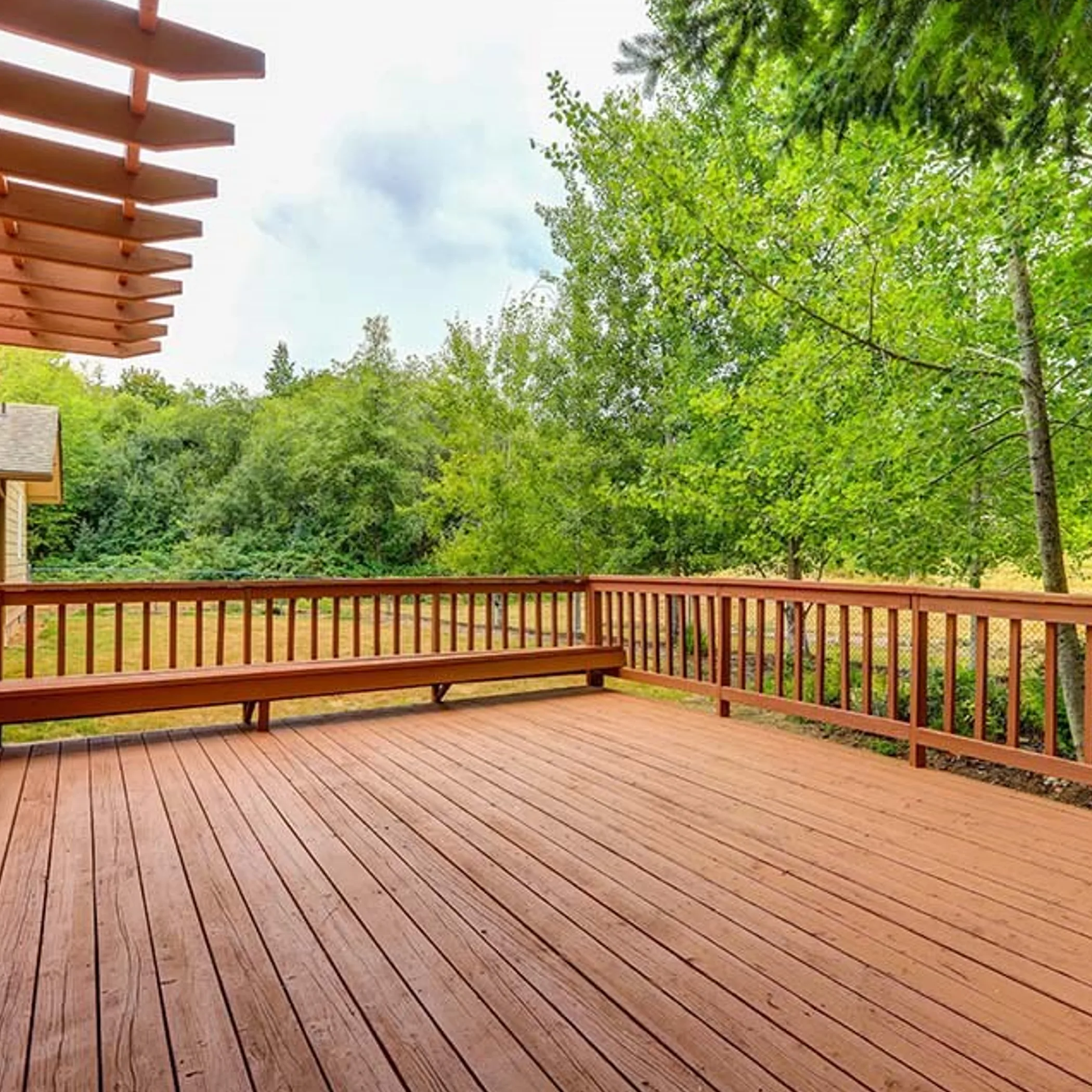
For an Australian homeowner the best seasonal care schedule is not complicated: a weekly inspection, monthly cleaning, an assessment with each change of season and a coat of something only when the timber is ready and dry. Vary it for the shade, the salt, the rain and how much use the deck gets.
I like to attend to small faults while they are still mundane. Tighten up where you can, put the furniture and leaves away, have a word with any soft boards and let the coatings dry. It is not very glamorous advice for deck upkeep but it ensures the space is in order and safe for the next barbecue.